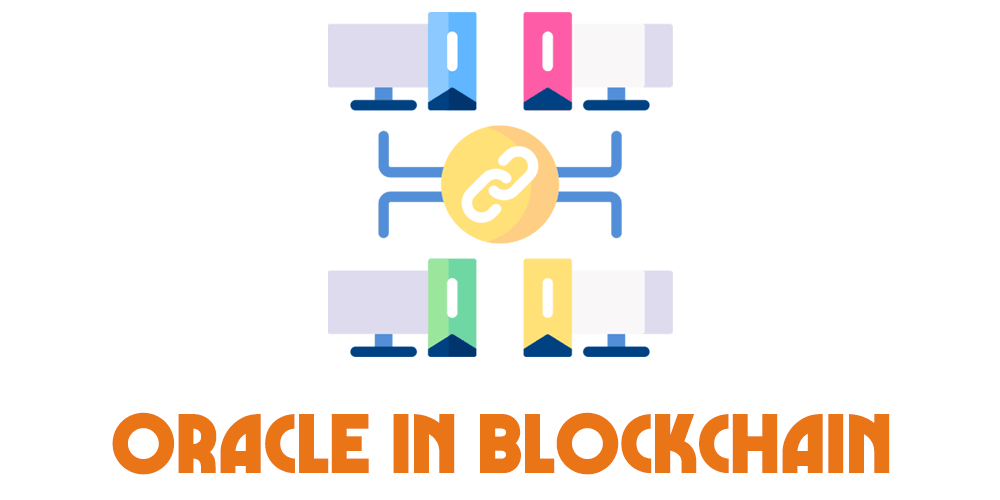
Oracle offer a method for the decentralized Web3 ecosystem to tap into current data sources, legacy systems, and complex computations. Decentralized oracle networks (DONs) allow for the development of hybrid smart contracts, merging onchain code with offchain infrastructure to enhance advanced decentralized applications (dApps) that respond to real-world events and work alongside traditional systems.
Tackling the Oracle Issue
The blockchain oracle problem highlights a key limitation of smart contracts—they can’t directly interact with data and systems that are outside their own blockchain environment. Anything outside the blockchain is referred to as ‘offchain,’ while data that is already on the blockchain is termed onchain. By being intentionally separated from external systems, blockchains gain their most important features, such as strong consensus on transaction validity, prevention of double-spending attacks, and reduction of network downtime. To securely connect with offchain systems, a blockchain needs an additional component called an ‘oracle’ to link the two environments.
Addressing the oracle problem is crucial because most smart contract applications, like DeFi, depend on real-world data and events that occur offchain. Therefore, crypto oracles broaden the range of digital agreements that blockchains can facilitate by providing a universal access point to offchain resources while maintaining the essential security features of blockchains. Various industries reap the benefits of integrating oracles with smart contracts, including asset pricing in finance, weather data for insurance, randomness in gaming, IoT sensors for supply chains, ID verification for government, and much more.
Since the data that oracles send to blockchains directly influences the outcomes of smart contracts, it is vital that the oracle mechanism functions correctly for the agreement to execute as intended.
The Types
With a wide variety of offchain resources available, blockchain oracles are quite diverse. Hybrid smart contracts, for instance, need different kinds of external data and computations, along with various delivery methods and security levels. Typically, each kind of crypto oracle combines fetching, validating, computing, and delivering data to a specific location.
- Pull-Based
- Push-Based
- Cross-Chain
- Compute-Enabled
Use Cases
Smart contract developers utilize oracles to create more sophisticated decentralized applications that span a broader array of blockchain use cases. Although the possibilities are virtually limitless, here are the use cases that are currently seeing the most adoption.
- Decentralized Finance (DeFi)
- NFTs and Gaming
- Insurance
- Enterprise
- Sustainability
Conclusion
Oracle is a key innovation that enhances the practicality of blockchain technology, allowing smart contracts to operate in the real world. As more people adopt this technology, dependable oracle solutions will be essential for the future of decentralized finance and Web3.